
The on-hire vs off-hire survey difference is simple: an on-hire survey records the condition of a vessel and the bunkers on board when she is delivered to the charterer, while an off-hire survey records the same things when she is redelivered to the owner. Together, the two reports show what changed during the charter. As a result, they decide who pays for any damage and for any bunker difference.
First, this guide explains each survey. Then it compares the on-hire vs off-hire survey side by side, so you know what to expect at delivery and at redelivery.
What Is an On-Hire Survey?

An on-hire survey is an independent inspection carried out when the owner delivers the vessel to the charterer. The surveyor records her condition and measures the bunkers on board, so both parties start from the same facts.
It normally covers:
- Hull and deck: visible damage, dents, corrosion, paint and mooring equipment.
- Cargo holds or tanks: cleanliness, hatch covers and any existing damage.
- Cargo gear, such as cranes and winches, where fitted.
- Machinery and safety equipment, as far as can be checked on board.
- Certificates, logbooks and the ship’s documents.
- Bunkers: the quantity of each grade on board, with the tank soundings and the fuel details.
What Is an Off-Hire Survey?
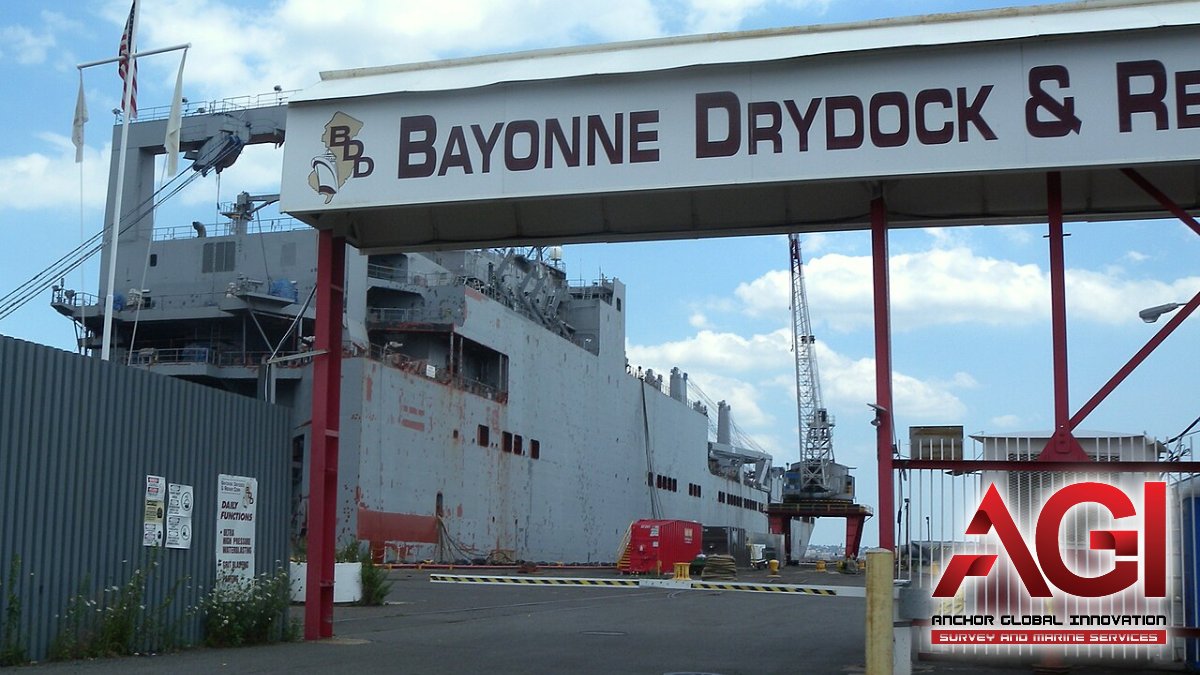
An off-hire survey is carried out when the charterer redelivers the vessel to the owner at the end of the charter. The surveyor inspects the same areas again and measures the bunkers on board. Then the two reports are compared.
The key question is what changed. Fair wear and tear is normally expected, but new damage, unrepaired defects and a bunker shortfall may lead to a claim, depending on the charter party.
On-Hire vs Off-Hire Survey: Key Differences
| Point | On-hire survey | Off-hire survey |
|---|---|---|
| When | At delivery to the charterer | At redelivery to the owner |
| Purpose | Set the baseline for condition and bunkers | Measure what changed during the charter |
| Vessel condition | Records existing damage and defects | Finds new damage and unrepaired defects |
| Bunkers | Quantity on board at delivery | Quantity on board at redelivery |
| Main risk | Pre-existing damage not recorded | Disputes over damage and bunker difference |
Why Bunkers Matter in Both Surveys

Under most time charters, the bunkers on board at delivery and at redelivery are settled between the parties, so the quantity is often a major point of dispute. That is why the bunker survey is usually done together with the condition survey.
- Quantity: the surveyor sounds the bunker tanks and calculates the quantity of each grade, applying the tank tables, trim, list and the fuel temperature and density.
- Grades: fuel oil and diesel or gas oil are recorded separately.
- Quality: the bunker delivery notes and retained samples help if a quality problem appears later.
- Records: the surveyor checks the bunker log and the engine room records against the measured figures.
On-Hire vs Off-Hire Survey Checklist
- Agree the date, place and surveyor with the other party before the vessel arrives.
- Confirm what the charter party says about delivery and redelivery condition and bunkers.
- Inspect the hull, deck, holds or tanks, and cargo gear, and photograph every defect.
- Sound all bunker tanks and record the quantity of each grade.
- Check certificates, logbooks and the bunker delivery notes.
- Have both sides sign or acknowledge the report where possible.
Tips to Avoid Disputes
- Never skip the on-hire survey, because without it new damage is hard to prove.
- Keep both reports and all photos together for the whole charter.
- Use the same independent surveyor, or the same format, at both ends.
- Measure the bunkers at the same stage and in the same way at delivery and redelivery.
- Report damage promptly, because delays make evidence harder to prove.
Frequently Asked Questions
What is the difference between an on-hire and an off-hire survey?
An on-hire survey records the vessel condition and the bunkers at delivery to the charterer, while an off-hire survey records them at redelivery to the owner. In short, one sets the baseline and the other measures the change.
Who pays for the survey?
It depends on the charter party or the agreement between the parties. Therefore, check the contract before you book.
Why are bunkers surveyed?
Because the bunkers on board at delivery and redelivery are usually settled between the parties. An independent measurement gives both sides the same figures.
Is an off-hire survey always required?
Not always, because it depends on the contract. Still, it is the best protection for both sides when a vessel is redelivered.
Follow AGI on LinkedIn for weekly survey tips: Anchor Global Innovation
Need an On-Hire or Off-Hire Survey?
Use this on-hire vs off-hire survey guide as a starting point. Because every charter is different, an independent surveyor gives both parties a clear record. Anchor Global Innovation (AGI) provides marine survey and inspection. See our projects, or contact us to request a survey.