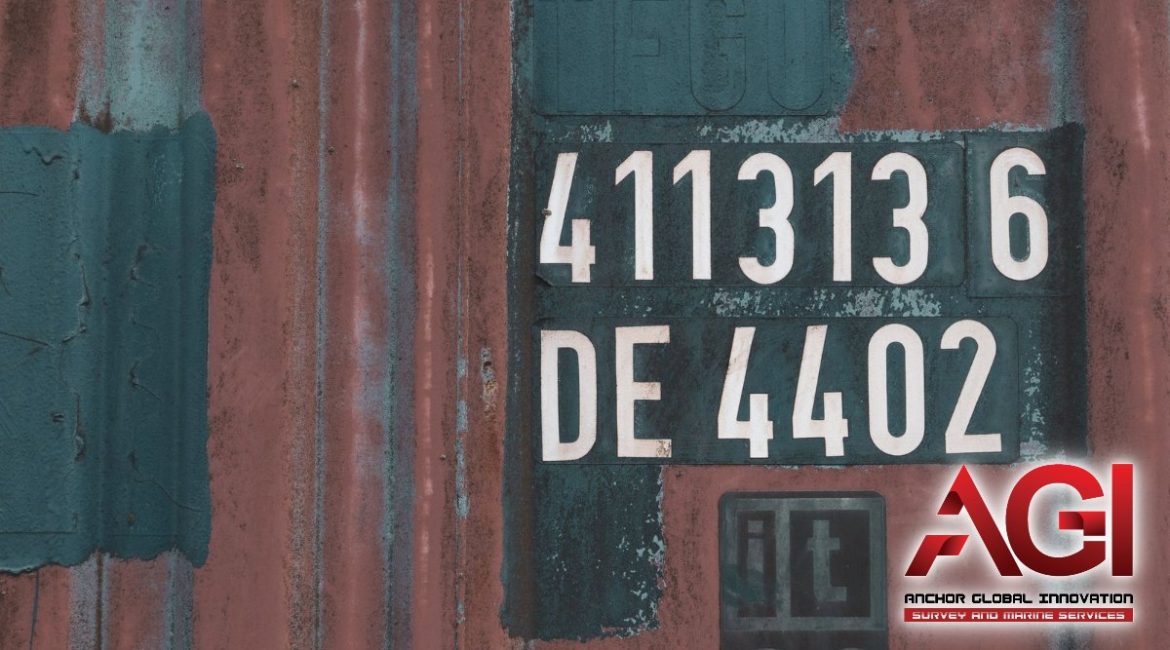
A container condition survey checklist is a step-by-step list an independent surveyor uses to inspect a shipping container’s structure, doors, floor, seals and markings, and to record any damage with photos before cargo is loaded or the box changes hands. When used correctly, it protects shippers, lessors and insurers from disputes over who damaged what, and it keeps unfit containers out of service.
First, this guide explains what a survey is. Then it walks through the container condition survey checklist in the order a surveyor works: documents, exterior, doors, interior, and reporting.
What Is a Container Condition Survey?
A container condition survey (CCS) is an independent inspection that records the physical state of a container at a specific time and place. It is commonly carried out:
- On-hire and off-hire, when a container is leased out or returned to a lessor.
- Before loading, to confirm the box is clean, sound and suitable for the cargo.
- After an incident, such as a drop, a collision, or a cargo claim.
- For sale, purchase or repair approval, to agree the condition and repair scope.
Before You Inspect: Documents and Identification
Before starting, collect the paperwork. Then confirm each item below.
- Container number and check digit. Confirm the number painted on the box matches the paperwork. Container numbers follow the ISO 6346 format (owner code, category letter, serial number and check digit).
- Size and type code. Confirm size (e.g. 20ft, 40ft, high-cube) and type (general purpose, open top, reefer, etc.).
- CSC safety approval plate. Check the plate is present, legible and firmly fixed, and that the examination date or approval scheme on it is valid. The plate relates to the International Convention for Safe Containers (CSC).
- Seal and booking details. Record seal numbers and compare them with the shipping documents.
- Inspection instructions. Confirm which repair standard or damage criteria apply (for example the lessor’s or line’s agreed standard, or the IICL repair manual where it is specified).
Container Condition Survey Checklist: Exterior
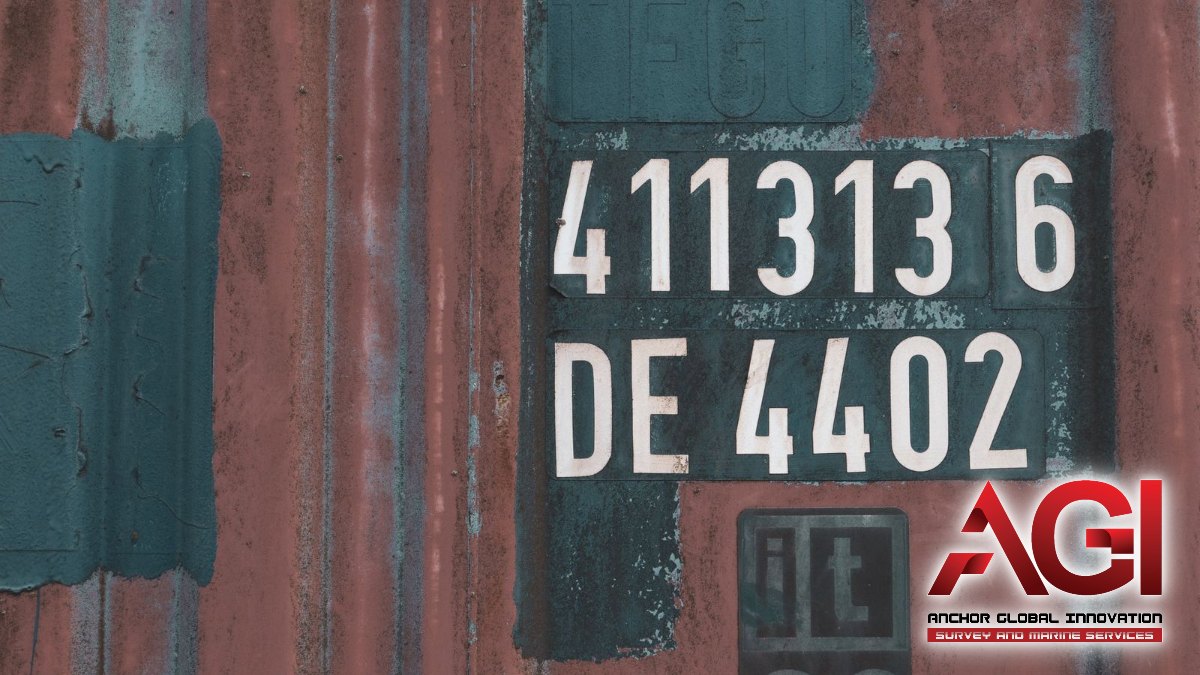
First, walk around the container. Then look at each side, the roof and the underside.
| Area | What to check |
|---|---|
| Roof | Dents, holes, cracks, patched repairs, corrosion, water pooling |
| Side and end panels | Bulges, dents, tears, holes, deep scratches, weld repairs |
| Corner posts and corner castings | Bent or cracked posts, damaged or distorted castings, wear on the lifting and lashing apertures |
| Top and bottom side rails | Bends, cracks, corrosion, previous repairs |
| Underside and cross members | Bent or missing cross members, corrosion, damage to forklift pockets and gooseneck tunnel (40ft) |
| Markings and labels | Container number, size/type code, CSC plate, hazard or ownership labels: legible and correct |
Door and Locking Gear Checklist

Doors are one of the most common sources of damage and cargo claims. Therefore, check them carefully.
- Door panels open and close freely and fully.
- Hinges and pins are intact and not worn or bent.
- Locking bars, handles, cam keepers and handle retainers are present and working.
- Door gaskets (rubber seals) are continuous, not torn, hardened or missing.
- The seal tab or seal point is intact so a seal can be applied.
Container Condition Survey Checklist: Interior
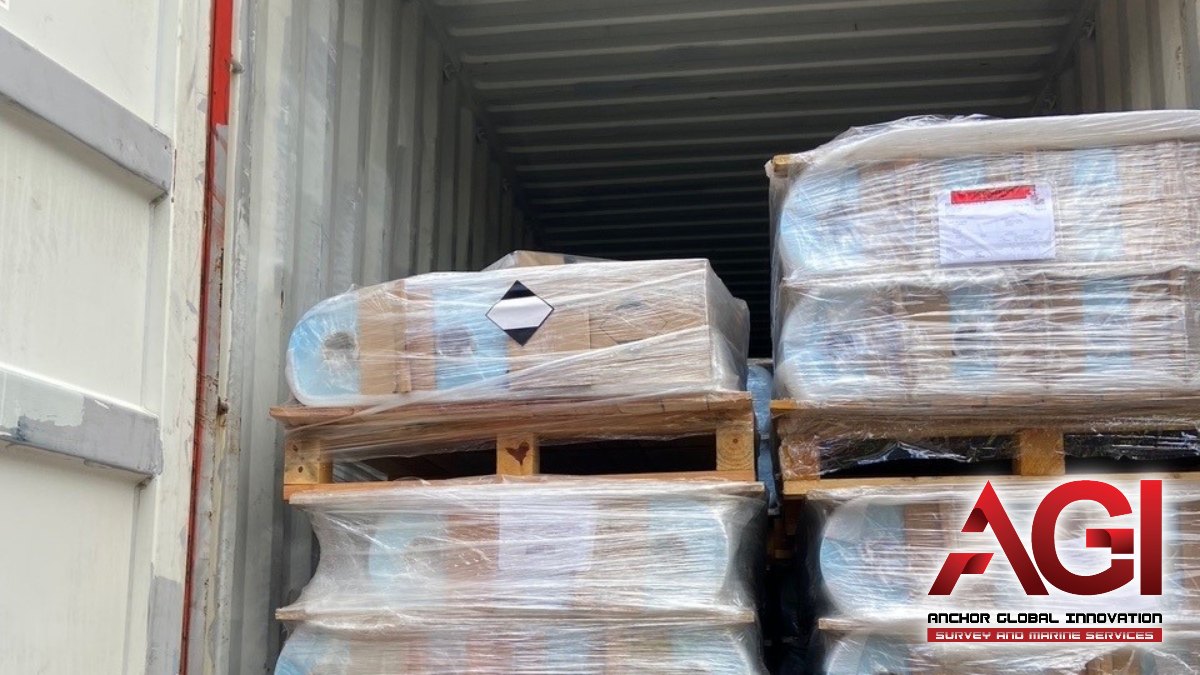
- Light test. First, close the doors from the inside in daylight and look for pinpoints of light, which can indicate holes or failed seams that let water in.
- Floor. Next, check for rot, delamination, cracks, holes, protruding screws or nails, stains and oil.
- Walls and ceiling. Then look for dents, tears, corrosion, wet spots and signs of previous leaks.
- Cleanliness and odour. Also, the box should be dry, free of residue, pests, labels from earlier cargo and strong smells, especially for food or sensitive cargo.
- Lashing rings and fittings. In addition, check they are present, secure and undamaged.
- Ventilators. Finally, confirm they are intact and not blocked.
Special Cases: Reefers and Open-Top Containers
As a result, refrigerated containers need additional checks on the refrigeration unit, drainage, T-floor and temperature performance, typically through a pre-trip inspection (PTI). Similarly, open-top and flat-rack containers need checks on tarpaulins, bows, lashing points and removable ends. Therefore, agree these extra items with the client before the survey starts.
Recording Damage and Writing the Report
However, a checklist is only as useful as the record it produces. For example, a good survey report includes:
- Date, time, location and the name of the surveyor.
- Container number, type, size and seal numbers.
- A clear description of each defect: location (using the standard side/position terms), type of damage and approximate size.
- Photos of every defect and of each side, the doors, the interior and the CSC plate, with the container number visible.
- Whether each item is acceptable, needs repair or is a reason to reject the container, according to the agreed standard.
- The surveyor’s conclusion and any recommendations.
Common Mistakes to Avoid
Even a good container condition survey checklist fails when inspectors skip steps. Above all, avoid these errors:
- Skipping the roof and underside, where damage is often missed.
- Relying only on the exterior without doing the interior light test.
- Taking photos without the container number in frame.
- Not agreeing the damage criteria and repair standard before starting.
- Recording vague notes like “minor damage” instead of location, type and size.
Frequently Asked Questions
What is a container condition survey?
In short, it is an independent inspection that documents the structural and functional condition of a container at a specific time, normally with photos and a written report.
When is a container condition survey needed?
Most often on-hire and off-hire with a lessor, before loading sensitive cargo, after an incident, and for sale, purchase or repair approval.
Who should carry out the survey?
Ideally, an independent, qualified surveyor, so the report is impartial and accepted by all parties, including insurers and lessors.
Who pays for damage found in a survey?
It depends on the lease, charter or sales contract and on when the damage occurred. Therefore, the survey provides the evidence, while the contract decides responsibility.
Follow AGI on LinkedIn for weekly survey tips: Anchor Global Innovation
Need a Container Condition Survey?
Use this container condition survey checklist as a starting point. Because every container and contract is different, an independent surveyor adds the evidence you need. Anchor Global Innovation (AGI) provides shipping container services and marine survey and inspection for clients across the maritime sector. See our projects, or contact us to request a survey.